
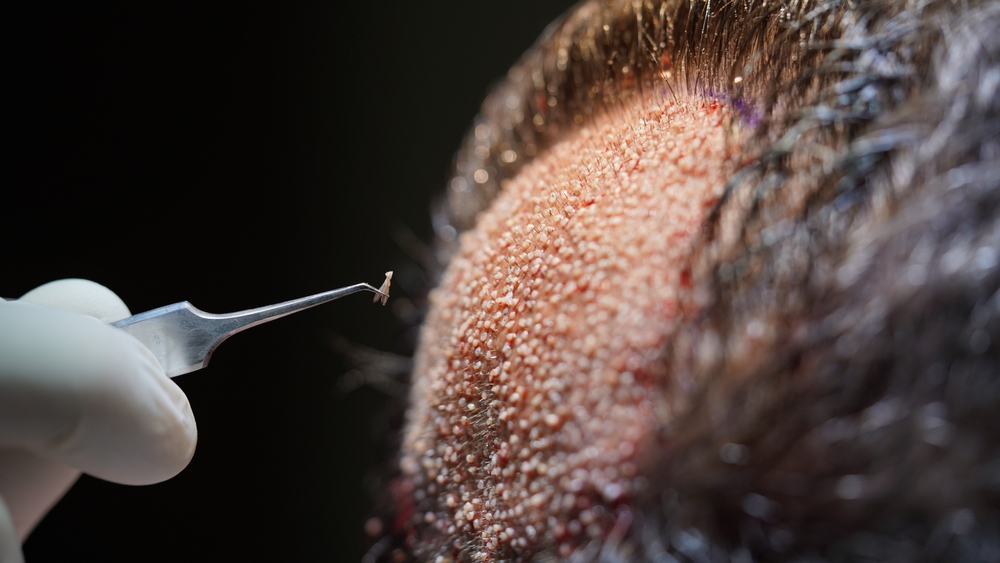
Hair loss is not just a male concern. Many women in the UK experience thinning hair due to genetics, hormonal changes, stress, or medical conditions. For women considering restoration, a hair transplant can be an effective solution. Understanding how hair transplants work for women helps set expectations and guides them toward realistic results. People searching for a hair transplant London clinic or exploring hair transplant UK options often start by learning how procedures differ from male treatments and what makes women suitable candidates.
Understanding Female Hair Thinning
Women’s hair loss often presents differently from men’s. Instead of receding hairlines or bald spots, women typically experience diffuse thinning across the crown or parting. This pattern makes planning a hair transplant slightly more complex.
Specialists in hair transplant London clinics emphasise that evaluating the type and extent of thinning is crucial. Across hair transplant UK providers, women are assessed carefully to ensure sufficient donor hair and realistic expectations for density and coverage.
Assessing Candidacy for Women
Not all women with thinning hair are suitable candidates. Ideal candidates have healthy donor areas, usually at the back or sides of the scalp. Women with diffuse thinning may require careful evaluation to ensure donor follicles are adequate to achieve noticeable results.
Hair transplant London clinics typically provide thorough consultations. They review medical history, hair loss patterns, and lifestyle factors. Across hair transplant UK clinics, this personalised assessment helps determine the feasibility of a transplant and the potential outcome.
Techniques Used for Female Hair Transplants
Two main techniques are commonly used: Follicular Unit Extraction (FUE) and Follicular Unit Transplantation (FUT). FUE involves harvesting individual follicles and implanting them precisely where needed. FUT takes a strip of scalp from the donor area, which is then dissected into grafts.
Women often prefer FUE because it leaves minimal scarring and allows for faster recovery. Hair transplant London specialists also focus on natural-looking distribution, ensuring the transplanted hair blends seamlessly with existing hair. Across hair transplant UK clinics, the choice of technique is tailored to each patient’s hair type and goals.
Creating a Natural Look
Achieving natural results is a key priority for women. Specialists carefully consider hair direction, angle, and density to mimic natural growth. Transplanted follicles are strategically placed to enhance volume in thinning areas without creating an artificial appearance.
Many patients visiting hair transplant London clinics highlight the importance of subtle, natural results. Across hair transplant UK forums, women emphasise that attention to detail in placement makes a noticeable difference in confidence and satisfaction.
Recovery and Growth Timeline
After a transplant, women experience a healing phase similar to men. There may be minor swelling, redness, and temporary shedding of transplanted hairs. New growth typically begins three to four months after the procedure, with fuller results visible after six to nine months.
Hair transplant London specialists provide detailed aftercare instructions. Across hair transplant UK clinics, adherence to guidance is shown to improve graft survival and overall outcomes. Patience during this period is essential, as early shedding is a normal part of the process.
Supporting Hair Health
Even after a transplant, maintaining healthy hair is important. Gentle washing, avoiding harsh chemicals, and proper nutrition support the growth of transplanted follicles. Many women also use volumising products or low-heat styling to enhance appearance without stressing new growth.
People seeking hair transplant London clinics often receive personalised advice for long-term hair care. Across hair transplant UK providers, combining professional guidance with lifestyle adjustments ensures stronger, more natural-looking results.
Considering Expectations and Limitations
While hair transplants can significantly improve volume, women with diffuse thinning may not achieve extremely dense coverage in a single procedure. Multiple sessions may be recommended to reach the desired fullness. Realistic expectations are critical to satisfaction.
Across hair transplant UK clinics, specialists advise that subtle improvements can greatly enhance appearance and confidence. Patients who understand the limitations of their procedure report higher satisfaction with their results.
Final Thoughts
Hair transplants offer a valuable solution for women experiencing thinning hair. Careful assessment, precise technique, and ongoing care ensure natural, long-lasting results. Whether seeking a hair transplant London clinic or exploring options across the hair transplant UK market, women benefit from personalised planning, realistic expectations, and professional expertise. With patience and proper guidance, transplanted hair can restore both volume and confidence.