
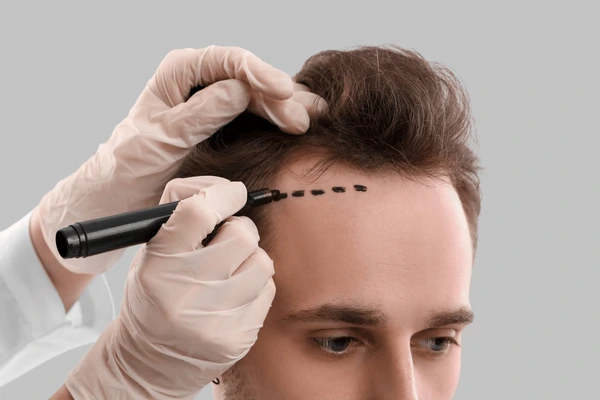
Hair transplants can be life-changing, but like any medical procedure, they carry risks. Hair transplant failures, though rare, can occur due to poor planning, inadequate aftercare, or inexperienced practitioners. Understanding how to prevent these issues is crucial for anyone considering hair restoration in London or elsewhere in the UK.
Choose an Experienced Clinic and Surgeon
The first step to avoiding failure is selecting a reputable clinic. Hair transplant London specialists stress that experience matters more than price.
Hair transplant UK clinics recommend researching credentials, reviewing before-and-after photos, and checking patient testimonials. Choosing a qualified surgeon ensures proper technique, careful planning, and higher chances of successful results.
Understand Your Hair Loss Pattern
Not all hair loss types are suitable for transplantation. Hair transplant London experts advise evaluating the cause, extent, and progression of hair loss before proceeding.
Hair transplant UK providers emphasise that understanding your hair loss pattern helps determine the best approach, whether it’s restoring a receding hairline, filling thinning areas, or managing diffuse thinning. Proper assessment prevents unrealistic expectations and reduces the risk of disappointment.
Set Realistic Expectations
One common reason for perceived failure is unrealistic expectations. Hair transplant London specialists encourage patients to understand that results take time.
Hair transplant UK clinics note that initial redness, scabbing, and temporary shedding are normal. Full growth often appears over 9 to 12 months. Being patient and informed about the process prevents unnecessary anxiety about the outcome.
Follow Pre-Procedure Guidelines
Preparation is essential for a successful transplant. Hair transplant London experts advise avoiding alcohol, smoking, and certain medications before surgery.
Hair transplant UK clinics also recommend maintaining a healthy lifestyle, ensuring proper nutrition, and discussing any medical conditions. Following these guidelines supports better healing and stronger graft survival.
Ensure Proper Technique and Planning
The surgical technique directly impacts results. FUE and FUT are commonly used methods, each with its benefits and limitations.
Hair transplant London specialists emphasise precise graft placement, correct angles, and appropriate density for a natural hairline. Hair transplant UK clinics highlight that careful planning reduces the risk of unnatural growth, patchiness, or overharvesting donor areas.
Commit to Post-Procedure Care
Aftercare is vital to prevent complications. Hair transplant London clinics provide detailed instructions, including gentle washing, avoiding sun exposure, and refraining from strenuous activity.
Hair transplant UK specialists stress that following these steps helps prevent infection, supports graft survival, and ensures optimal results. Ignoring aftercare can lead to poor growth or damage to the newly transplanted hair.
Monitor for Signs of Complications
Early detection of issues allows prompt intervention. Hair transplant London experts recommend monitoring the scalp for excessive redness, swelling, or unusual shedding.
Hair transplant UK clinics advise contacting your surgeon if you notice any signs of infection or delayed healing. Timely support can prevent minor issues from becoming major setbacks.
Maintain Long-Term Hair Health
A successful hair transplant is not a one-time solution. Hair transplant London specialists recommend ongoing care, including proper shampooing, balanced nutrition, and stress management.
Hair transplant UK clinics also suggest follow-up visits to monitor hair growth and discuss supplementary treatments like PRP if needed. Maintaining healthy hair ensures long-lasting, natural results.
Final Thoughts
Avoiding hair transplant failures in London or the UK involves careful planning, realistic expectations, and commitment to aftercare. Choosing an experienced clinic, understanding your hair loss, and following expert advice significantly improve the likelihood of success. By taking these steps, patients can enjoy a natural-looking, permanent restoration and regain confidence in their appearance.